Antique Shopping vs. Thrift Shopping: What’s the Difference and Which One Is Right for You?
If you love treasure hunting, chances are you’ve explored both antique shops and thrift stores. At first glance, they might seem similar—both offer unique, second-hand items and the thrill of finding something special. But antique shopping and thrift shopping are actually quite different experiences. From pricing to product history, each offers its own type of adventure. Let’s break down what makes them unique and why shoppers love both.
What Is Antique Shopping?
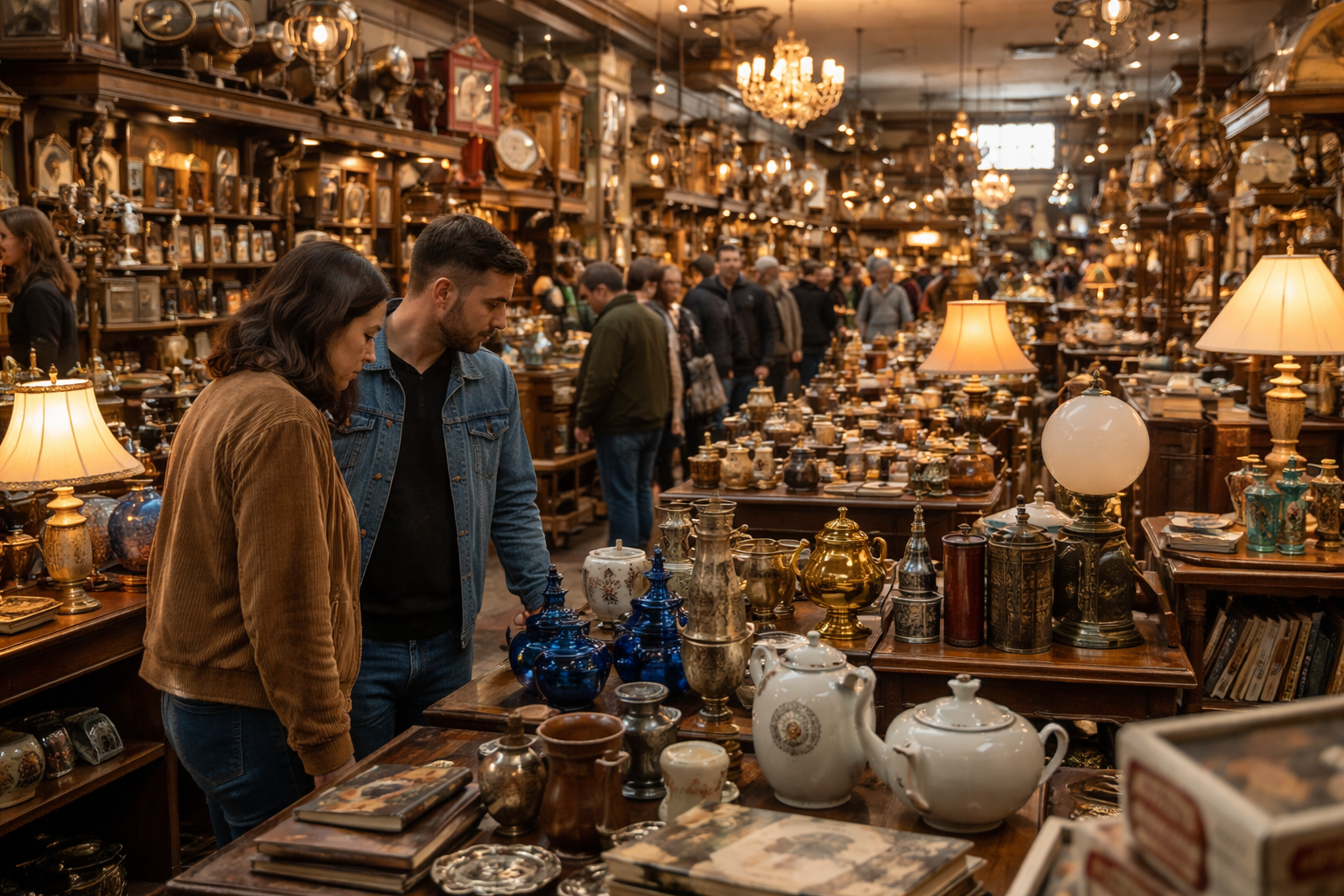
Antique shopping typically focuses on items that are at least 100 years old or have significant historical or collectible value. Antique stores curate their inventory carefully, often sourcing pieces from estate sales, collectors, or auctions.
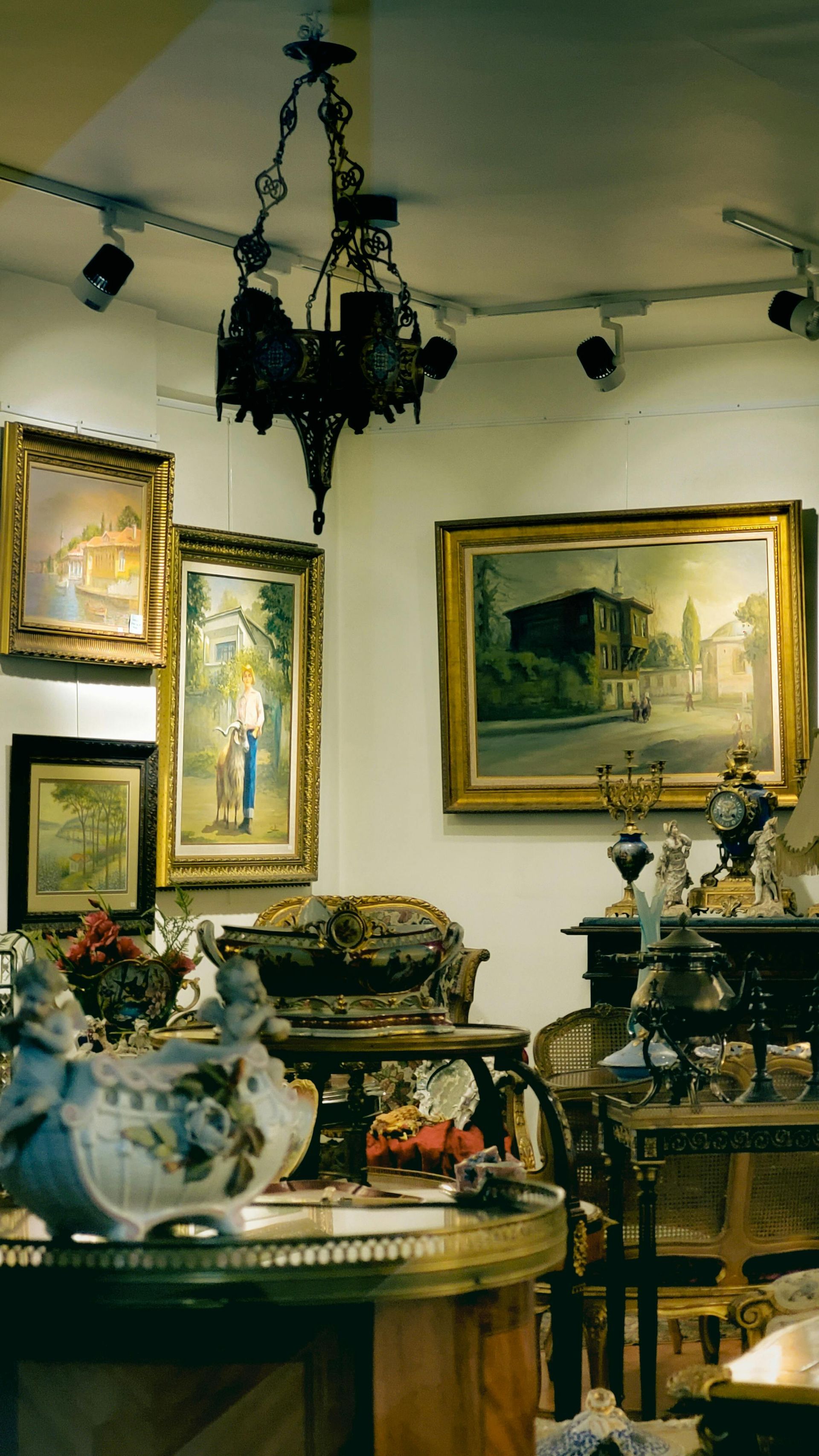
When you walk into an antique shop, you’ll likely see:
- Victorian furniture
- Vintage jewelry and watches
- Historical décor and artwork
- Rare books or collectibles
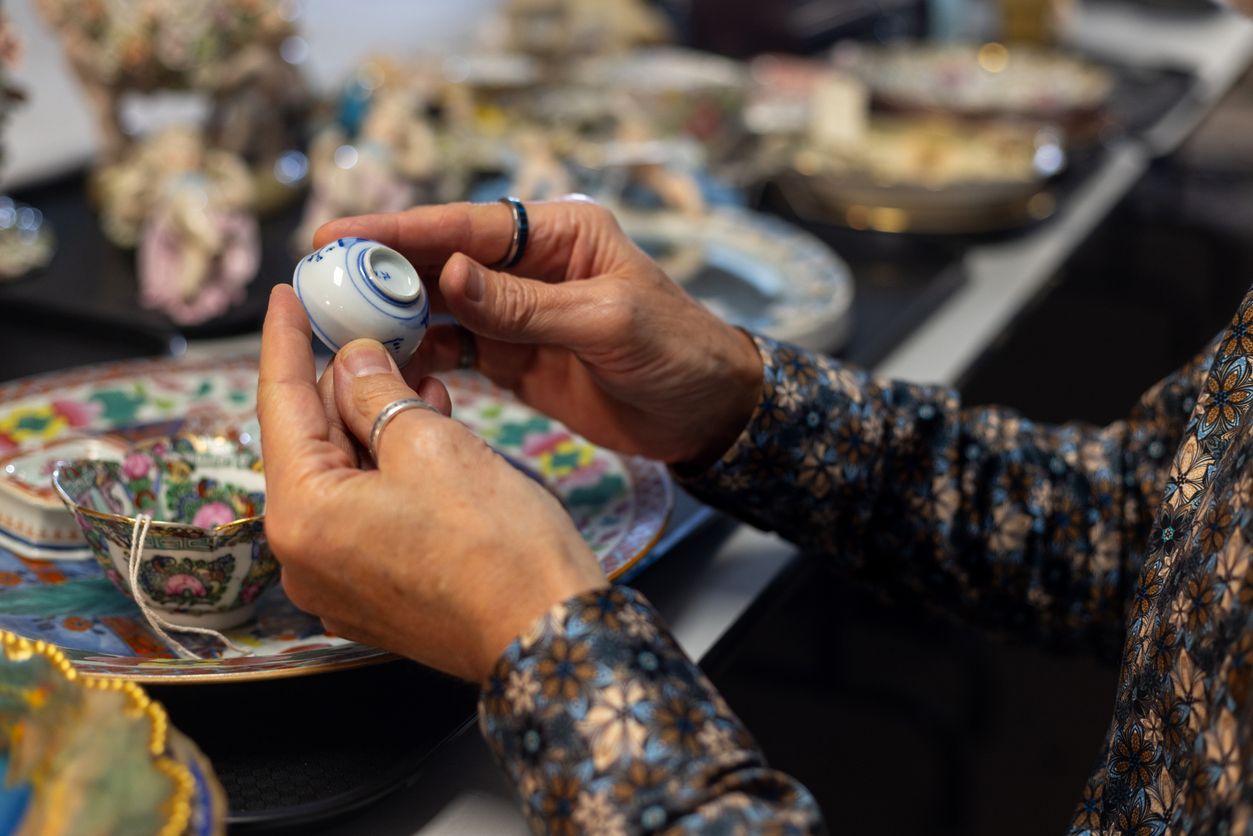
- Porcelain, glassware, and silverware
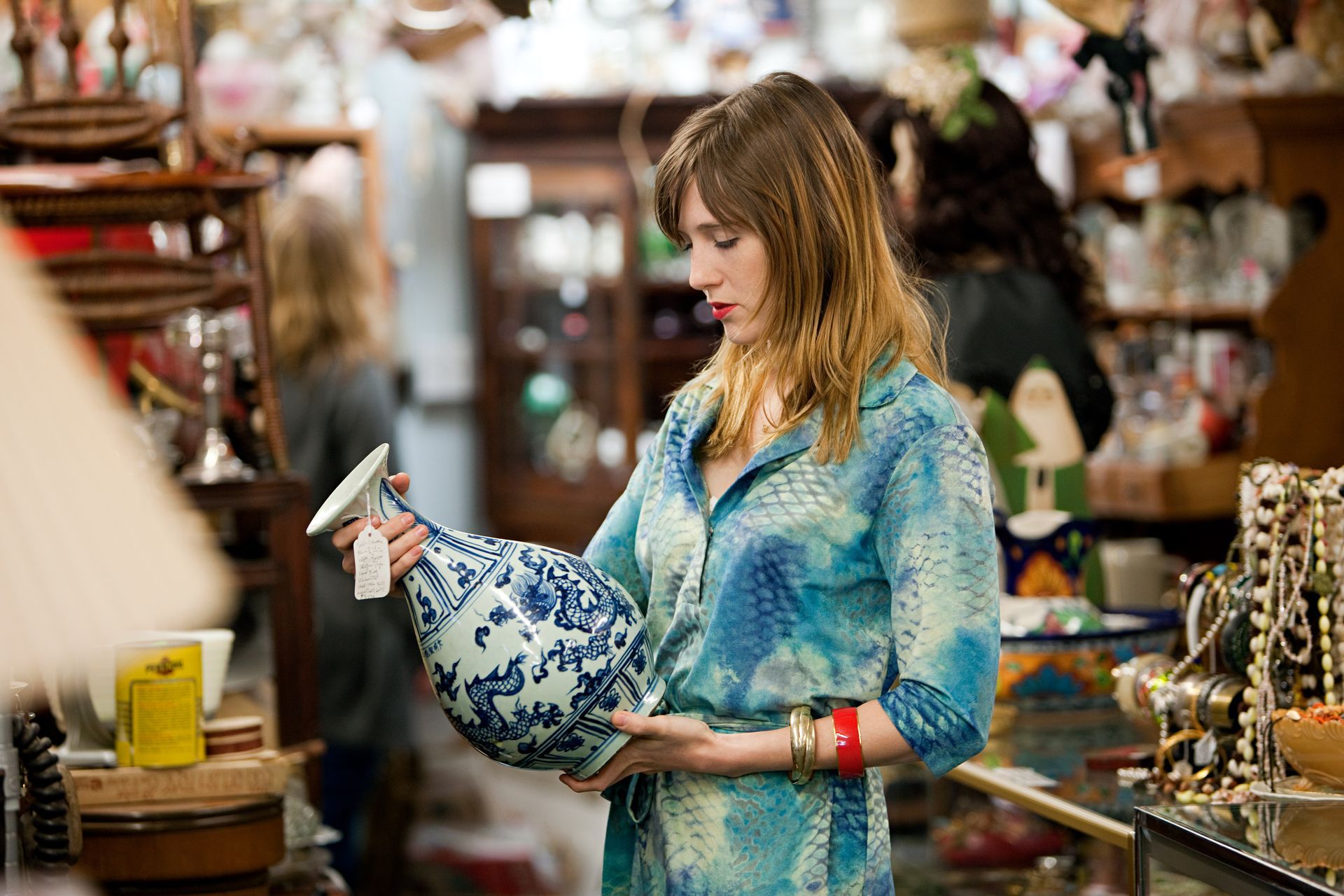
Antique dealers usually have deep knowledge about the items they sell. They can tell you the origin, age, craftsmanship, and historical context of a piece. Because of this expertise and the rarity of many items, antiques are usually more expensive than items in thrift stores. Antique shopping is often about collecting, investing, and preserving history.
What Is Thrift Shopping?
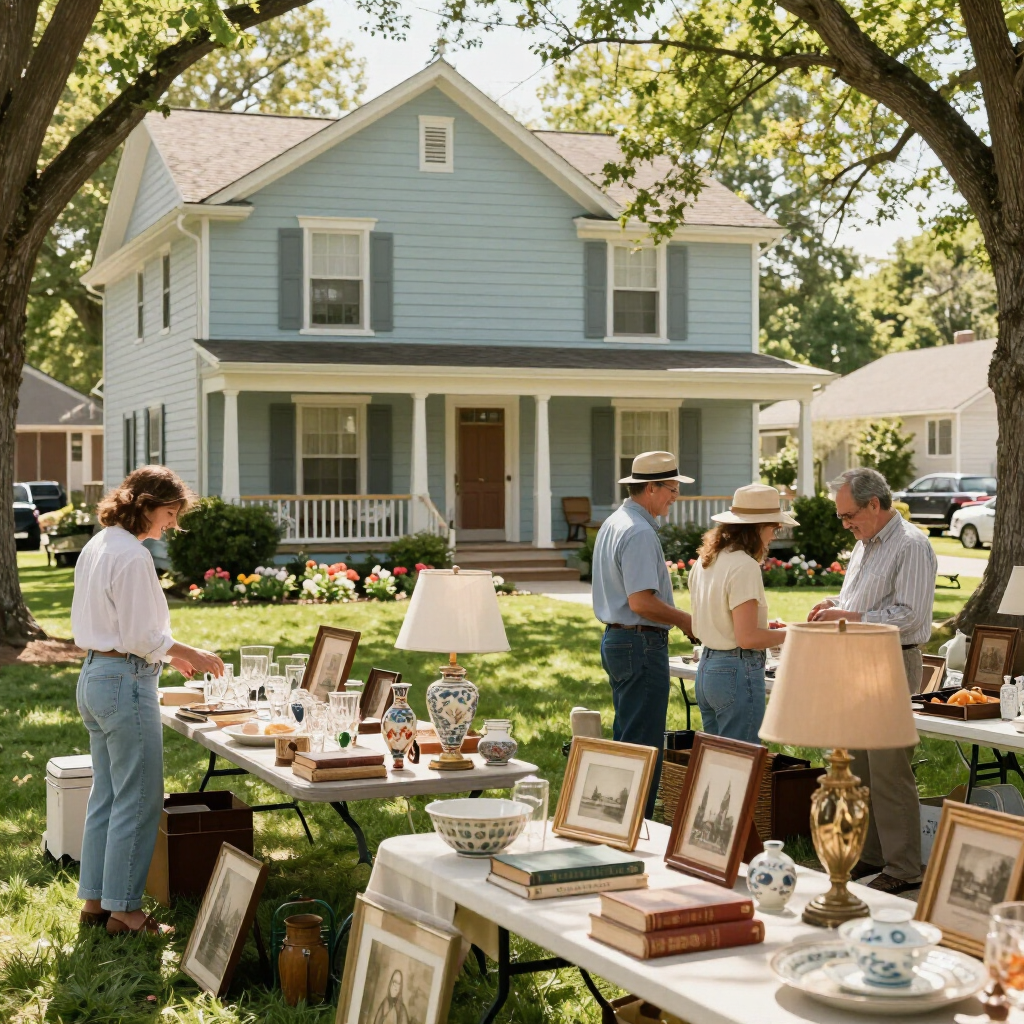
Thrift shopping is more about affordable second-hand goods. Thrift stores usually receive donated items from the public, which means their inventory changes constantly and can include a huge variety of products.
Typical thrift store finds include:
- Clothing and shoes
- Kitchenware
- Books and movies
- Toys and games
- Small furniture and home décor
Prices in thrift stores are usually very low because the goal is often to support charities or reduce waste. The experience can feel like a scavenger hunt—you never know what you’ll find.
Thrift shopping is popular among people who enjoy:
- Budget shopping
- Sustainable living
- DIY and upcycling projects
- Vintage fashion hunting
Key Differences Between Antique and Thrift Shopping
1. Age of Items
- Antique shops specialize in items 100+ years old or historically valuable.
- Thrift stores sell general second-hand items, often only a few years old.
2. Pricing
- Antiques are priced based on rarity, condition, and demand.
- Thrift items are usually very inexpensive and priced for quick resale.
3. Curation
- Antique shops carefully select and authenticate pieces.
- Thrift stores accept donations, so inventory is less curated and more unpredictable.
4. Shopping Experience
- Antique shopping feels like visiting a mini museum with items for sale.
- Thrift shopping feels like a treasure hunt for bargains.
Why Many People Love Both
Interestingly, antique lovers and thrift shoppers often overlap. A thrift store might occasionally hide a valuable vintage item, while antique shops provide a more refined browsing experience.
People often thrift for:
- Everyday items
- Cheap décor
- Vintage fashion
And they visit antique shops for:
- Statement furniture
- Historical collectibles
- High-quality craftsmanship
In other words, thrifting is about discovery and affordability, while antiquing is about history and craftsmanship. Whether you’re wandering through a cozy antique store like Harbourfront Antiques or digging through racks at a thrift shop, both experiences celebrate the beauty of giving old items a new life. Antique shopping connects us to history, while thrift shopping promotes sustainability and creativity.The best strategy? Try both. You never know where your next favorite treasure might be waiting.
Think the article from the Collector's Chronicles helped you? Why not share it with someone else?