Think Your Antique Collection Is Worth a Fortune? Here’s How to Find Out (And Whether Someone Will Buy It)
If you’ve ever looked around your home and wondered, “Do I have anything valuable here?” or asked “Do antique dealers actually buy collections?”—you’re not alone. Whether you inherited a family estate, are downsizing, or simply want to understand the value of old treasures sitting in storage, the good news is this: yes, many professional antique dealers purchase collections, and determining value is often easier than people think. For homeowners across Hamilton, Toronto, and surrounding communities, understanding how antique buying works can help you make informed decisions and potentially uncover surprising value.
If you're exploring Estate sales Hamilton, Estate sales Toronto, or trying to sell antiques, here’s what you should know.
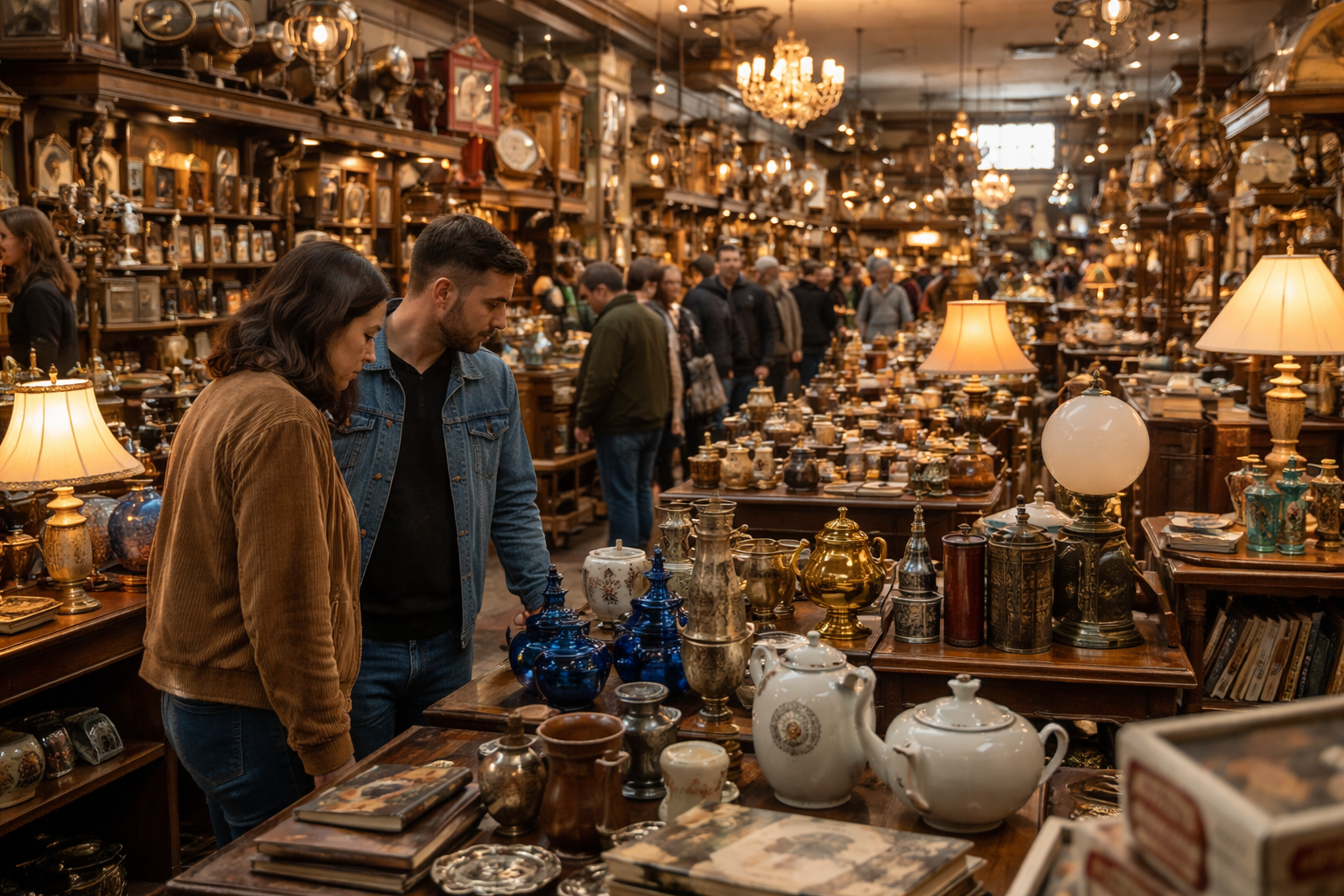
Do Antique Dealers Buy Collections?
The short answer: absolutely. Professional antique dealers often purchase everything from a single item to entire estates depending on the condition, rarity, demand, and historical significance of the contents. Harbourfront Antiques notes that they purchase one-off items as well as complete estates and collections while offering house calls and discreet consultations.
Collections commonly purchased include:
- Fine and costume jewellery
- Antique and mid-century furniture
- Coins and collectibles
- Artwork and paintings
- Watches and clocks
- China and porcelain
- Vintage signs and memorabilia
- Musical instruments
- Books and historical items
- Gold and silver antiques
This means you don’t need museum-quality pieces for your collection to attract attention.
What Makes an Antique Valuable?
Many people assume age alone determines value—but that’s only one piece of the puzzle.
1. Rarity
Limited production pieces or hard-to-find items often command higher prices.
2. Condition
Original finishes, minimal repairs, and complete sets can increase value significantly.
3. Provenance
Documentation, family history, receipts, or records of ownership can elevate worth. The story behind an object sometimes matters just as much as the object itself.
4. Market Demand
Trends shift over time. Certain periods, styles, and categories become more desirable depending on collector interest.
5. Authenticity
Original pieces almost always outperform reproductions.
How Do I Know How Much My Antiques Are Worth?
This is the question everyone asks—and the answer starts with evaluation.
Before contacting antique dealers, gather:
- Clear photos from multiple angles
- Measurements
- Close-ups of labels, signatures, and hallmarks
- Notes about condition
- Any known ownership history or receipts
Then work through these steps.
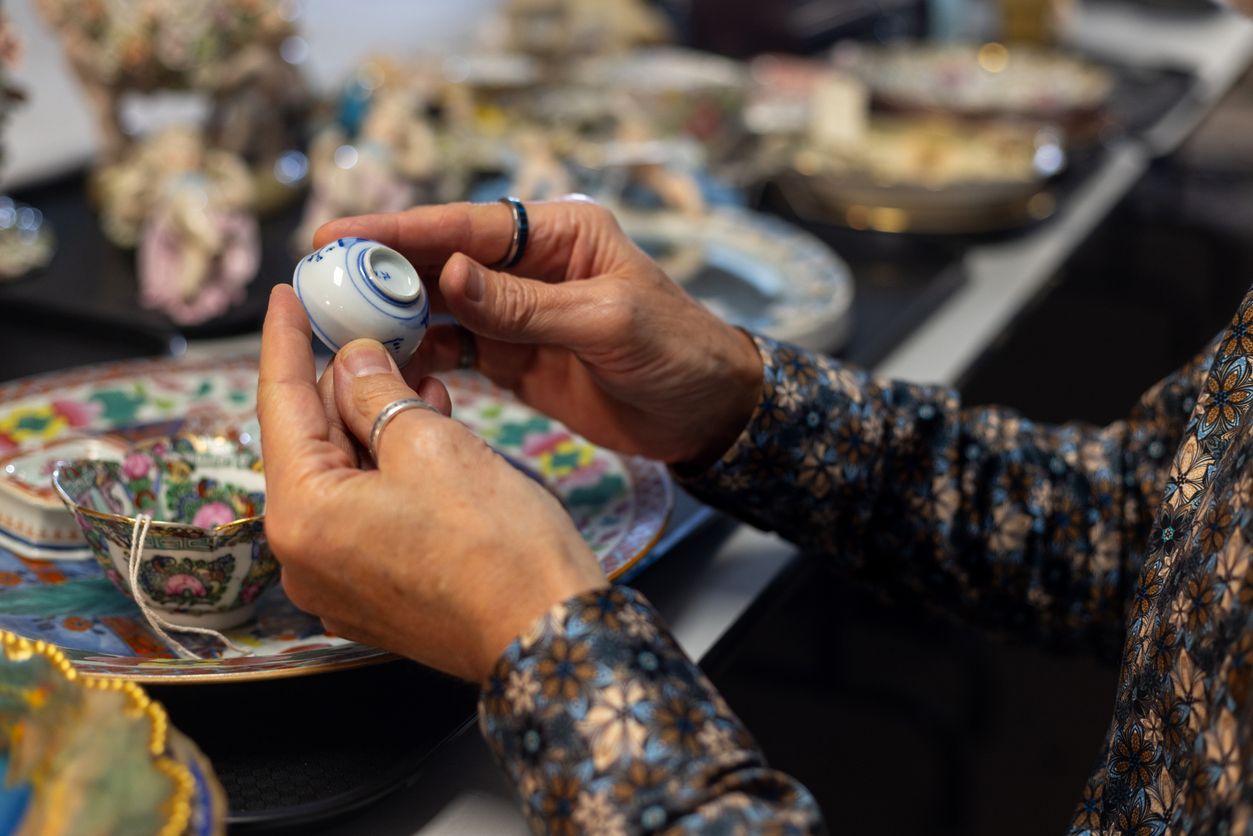
Inspect for Hallmarks and Maker’s Marks
Jewellery, silverware, pottery, and decorative objects often contain marks identifying the manufacturer or origin. For example, identifying markings on silver antiques can reveal production dates and authenticity.
Examine Construction and Materials
Older furniture often shows hand craftsmanship, traditional joinery, and natural aging patterns.
Research Comparable Sales
Auction records and dealer inventories can offer useful benchmarks.
Consult Experts
Experienced antique dealers and appraisers frequently identify details that online searches miss. Harbourfront Antiques emphasizes professional evaluations to help determine authenticity and fair market value.
Should You Sell Individually or As a Collection?
This depends on your goals.
Selling individually may maximize returns for exceptional pieces but requires more time and effort.
Selling as a collection or through estate services offers:
- Faster turnaround
- Less coordination
- Fewer listings and appointments
- Simplified estate management
For people managing inherited properties or downsizing, Estate sales Hamilton and Estate sales Toronto services can make the process dramatically easier. Harbourfront Antiques highlights purchasing from single items through complete estates and offering auction allocation support when appropriate.
Don’t Assume Something Isn’t Valuable
One of the biggest mistakes sellers make is throwing items away because they “don’t look important.”
A dusty lamp, vintage tea set, old watch, or inherited jewellery box may hold more value than expected.
Professionals often recommend evaluating before donating, discarding, or renovating around old contents. Valuable items don’t always announce themselves.
Ready to Discover What Your Collection Is Worth?
If you’ve been thinking about whether someone will buy your collection—or you’re wondering how to sell antiques without the stress—the first step is simple: get an expert opinion. Harbourfront Antiques works with collections ranging from individual treasures to entire estates and offers consultations designed to help owners understand what they have before making decisions. Your antiques may be more than old belongings—they could be hidden value waiting to be uncovered.
Think the article from the Collector's Chronicles helped you? Why not share it with someone else?